
Tooth-Colored Composite Fillings
Fix the cavity, keep the tooth.
Composite fillings bond to your tooth, so we remove less healthy structure and the repair blends in.
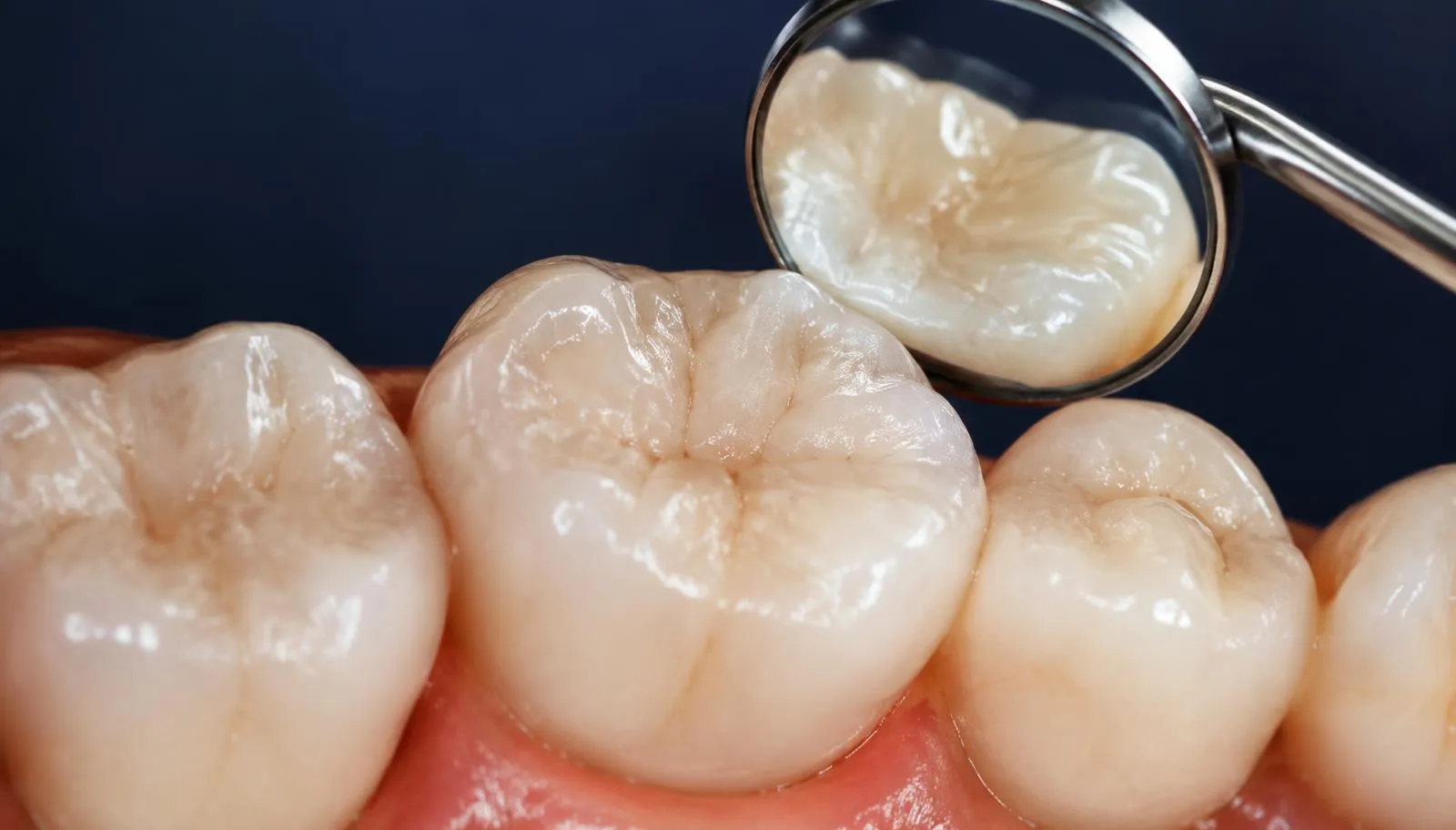
What is tooth-colored composite filling?
A composite filling is a tooth-colored resin used to repair a cavity or small fracture. The decay is removed, and the resin is bonded and hardened in layers. It looks natural and preserves more tooth than metal fillings. Its main limitation: very large cavities may need an onlay or crown instead.
Who is a candidate?
Often a good fit
- Small to medium cavities
- Replacing old silver fillings
- Small chips
- Worn areas at the gumline
Needs extra care or planning
- Very large cavities
- Heavy grinding
- Decay under the gumline
- Teeth with cracks
When an exam is needed: An exam and X-rays find and size the cavity.
Problems it can address
Limitations: Composite can wear faster than porcelain in heavy-bite areas.
Benefits and disadvantages
Benefits
- Tooth-colored
- Conservative
- Done in one visit
- Bonds to tooth
Disadvantages
- Can stain over time
- Less durable for large areas
- Possible sensitivity
- Technique-sensitive
The treatment process
- 1
Numbing
Warmed anesthetic, often with The Wand.
- 2
Decay removal
Only decayed tooth is removed, guided by caries detector.
- 3
Bonding
The tooth is prepared to bond.
- 4
Layering
Resin placed and light-cured.
- 5
Shape & polish
Bite adjusted and polished.
Timeline: One visit of 30–60 minutes.
Recovery and aftercare
What to expect
Discomfort: Mild sensitivity for a few days.
Downtime: None.
Aftercare
- Wait for numbness to wear off before eating
- Brush and floss
- Limit sugar
- Regular checkups
Call us right away if you notice
- High bite
- Lingering pain
- Sharp edge
Longevity and outcomes
Typically 7–10+ years.
What affects your result
- Size
- Location
- Grinding
- Diet
Possible complications
- Recurrent decay
- Wear
- Staining
- Fracture
Cost and payment options
Depends on size and number of surfaces; usually covered by insurance.
What affects the price
- Number of surfaces
- Tooth location
- Insurance
- Sedation
Insurance & financing
We accept most PPO plans and offer financing through CareCredit, Sunbit and others.
Comparison with alternatives
Inlay or onlay
For larger cavities.
Silver diamine fluoride
Can stop some early cavities without drilling.
Crown
For very large damage.
Clinical case examples
Real, patient-authorized cases for this treatment are being added soon, with diagnosis, reasoning and results.
View our Before & After Gallery →Why choose Neo Dental?
Patient reviews
Read what our patients say, in their own words, on independent review sites.
Frequently asked questions
Do fillings hurt?+
Not with proper numbing.
How long do they last?+
7–10+ years.
Should I replace silver fillings?+
Only if failing or for cosmetic reasons.
Can I eat after?+
Yes, once numbness wears off.
Are they safe?+
Yes.
Can small cavities heal?+
Very early ones can be reversed with fluoride.
Your care team & booking
Dr. Sol Shahri
General and cosmetic dentist leading every treatment plan at Neo Dental. This page was medically reviewed by Dr. Sol Shahri.
Meet the team →Related treatments
Not sure if you need tooth-colored composite fillings?
Book an exam and we'll explain every option, including the most conservative one.
Book your visit