Cosmetic Dental Bonding
Artistry in a single visit, without drilling.
Bonding uses tooth-colored resin to repair chips, close gaps and reshape teeth, usually in one visit and with no enamel removed.
What is cosmetic dental bonding?
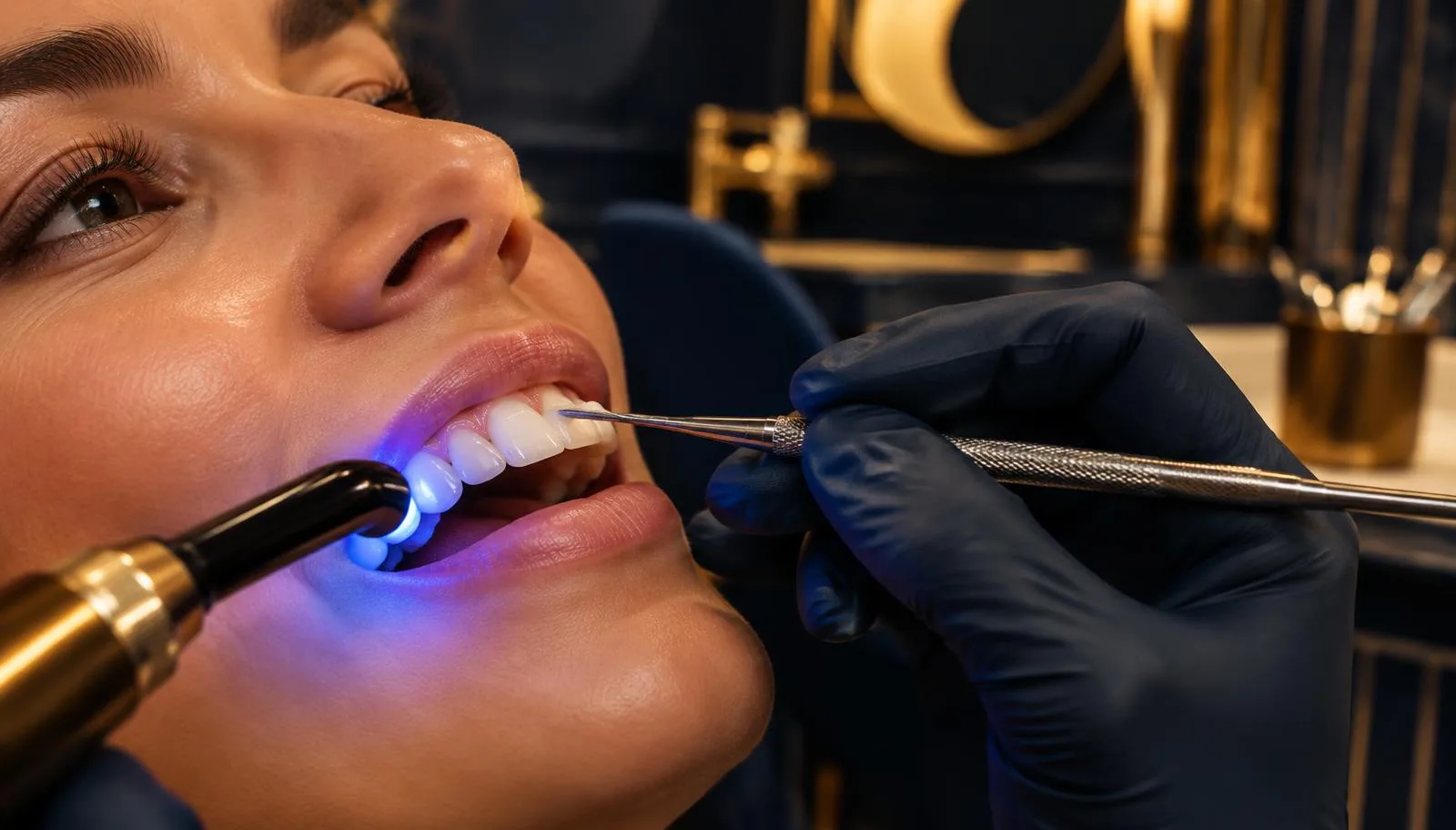
Cosmetic bonding is the application of tooth-colored composite resin, hand-sculpted onto the tooth and hardened with a light. It treats chips, small gaps, uneven edges and some stains. It's conservative and affordable. Its main limitation: resin stains and chips more easily than porcelain and needs periodic polishing or repair.
Who is a candidate?
Often a good fit
- Small chips or cracks
- Small gaps
- Uneven or short teeth
- Isolated stains
Needs extra care or planning
- Heavy grinding
- Large areas of damage
- Heavy coffee, tea or wine drinkers (more staining)
- Smokers
When an exam is needed: A quick exam checks for decay and bite issues before bonding.
Problems it can address
Limitations: Bonding isn't ideal for large restorations or major color changes across many teeth.
Benefits and disadvantages
Benefits
- Usually no drilling or numbing
- Done in one visit
- Lower cost than veneers
- Easy to repair or add to
Disadvantages
- Stains over time
- Can chip
- Needs polishing every few years
- Shorter lifespan than porcelain
The treatment process
- 1
Shade matching
We match resin shades to your teeth in natural light.
- 2
Surface prep
The enamel is lightly roughened so the resin adheres.
- 3
Sculpting
Resin is layered and shaped by hand.
- 4
Curing
A light hardens each layer.
- 5
Polish
Final shaping and a high-gloss polish.
Timeline: 30–60 minutes per tooth, usually one visit.
Recovery and aftercare
What to expect
Discomfort: None for most people.
Downtime: None.
Aftercare
- Avoid staining drinks for 48 hours
- Don't bite nails or ice
- Brush and floss normally
- Polish at cleanings
Call us right away if you notice
- A rough edge
- A chip
- Bite feels high
Longevity and outcomes
Typically 5–10 years before repair or replacement.
What affects your result
- Diet and staining
- Grinding
- Location in the mouth
Possible complications
- Staining
- Chipping
- Wear
Cost and payment options
Priced per tooth and by complexity. You'll get a written quote at your visit.
What affects the price
- Number of teeth
- Size of the repair
- Need for whitening first
- Insurance for restorative bonding
Insurance & financing
We accept most PPO plans and offer financing through CareCredit, Sunbit and others.
Comparison with alternatives
Porcelain veneers
More durable and stain-resistant.
Contouring
Reshapes small irregularities without adding material.
Invisalign
Closes gaps by moving teeth.
Clinical case examples
Real, patient-authorized cases for this treatment are being added soon, with diagnosis, reasoning and results.
View our Before & After Gallery →Why choose Neo Dental?
Patient reviews
Read what our patients say, in their own words, on independent review sites.
Frequently asked questions
Does bonding hurt?+
Usually no; most cases need no numbing.
How long does it last?+
About 5–10 years.
Can bonding be whitened?+
No. Whiten first, then bond to match.
Will it stain?+
More than porcelain; polishing helps.
Can it be repaired?+
Yes, easily added to or polished.
Is it covered by insurance?+
Sometimes when it repairs damage.
Your care team & booking
Dr. Sol Shahri
General and cosmetic dentist leading every treatment plan at Neo Dental. This page was medically reviewed by Dr. Sol Shahri.
Meet the team →Related treatments
Not sure if you need cosmetic dental bonding?
Book an exam and we'll explain every option, including the most conservative one.
Book your visit